Imperial Shih Tzu: The Truth About Teacup and Mini Sizes
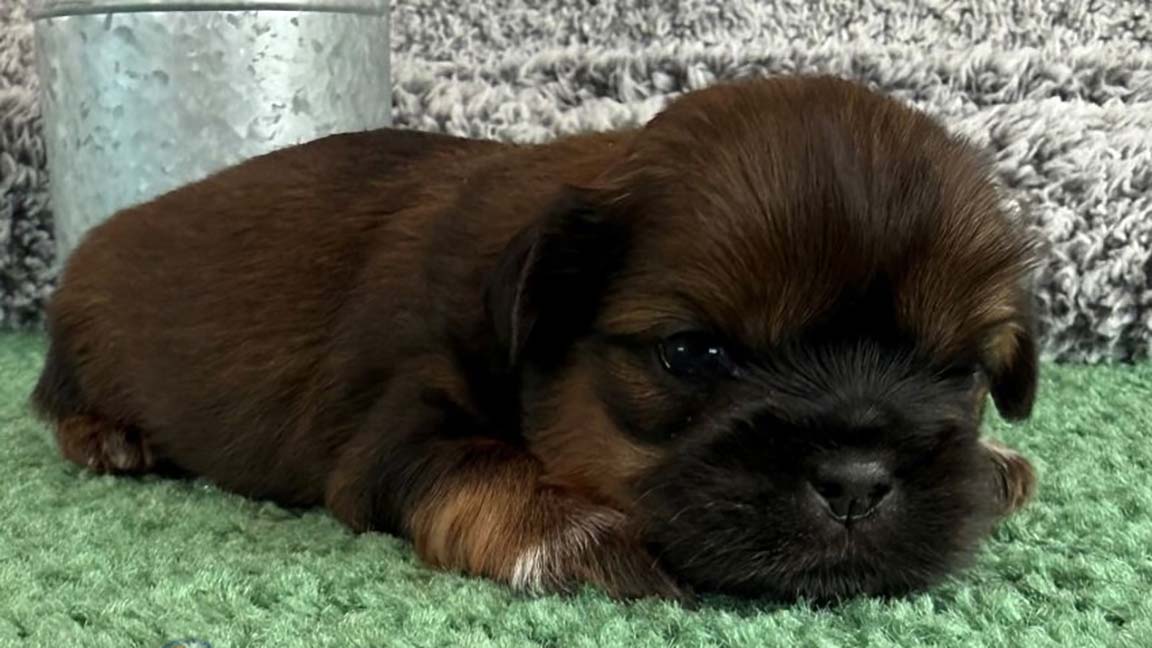
An imperial Shih Tzu is not a separate breed or an official size. “Imperial,” “teacup,” and “mini” are sales labels for Shih Tzus bred smaller than the breed standard of 9 to 16 pounds, and the smaller a dog is pushed below that range, the more health problems tend to follow.
At Champaign Shih Tzu, we hear the question every week: “Do you have any imperial Shih Tzu puppies?” We understand the appeal. A tiny, fluffy puppy that fits in your hands is hard to resist. As a family that has raised Shih Tzus in our home for years, though, we want every buyer to know what these labels really mean before they pay extra for one. This guide explains where the imperial Shih Tzu name came from, how it compares to a standard Shih Tzu, and how to bring home a small, healthy puppy without the risks that come with breeding for extreme size.
What Is an Imperial Shih Tzu?
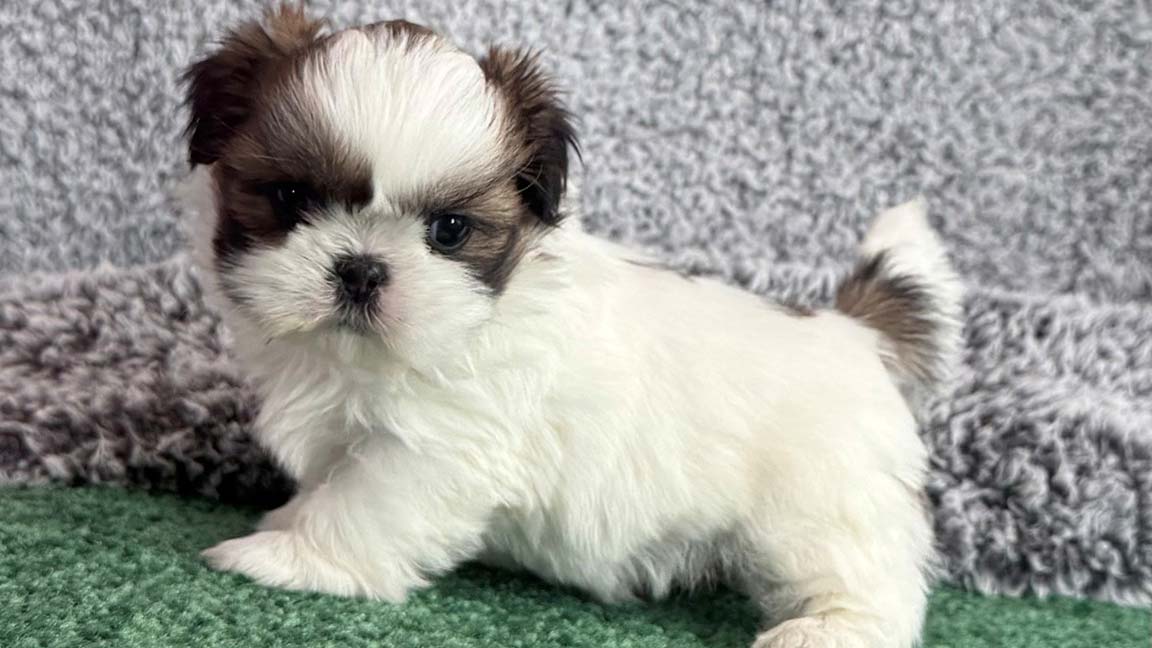
The term borrows from the breed’s real history. Shih Tzus were treasured companions in the Chinese imperial court, a story we cover in our post on Shih Tzu history. Some sellers later began using “imperial” to describe Shih Tzus that are much smaller than average, often marketed as under 9 pounds as adults.
The official Shih Tzu breed standard does not include an imperial variety. There is one Shih Tzu, and the ideal adult weighs 9 to 16 pounds and stands about 9 to 10.5 inches tall at the shoulder. A dog sold as an imperial Shih Tzu is simply a Shih Tzu at, or below, the bottom of that range.
Imperial vs Teacup vs Mini Shih Tzu
These three names get used interchangeably, and none of them has a fixed definition. Here is how they compare to a standard Shih Tzu.
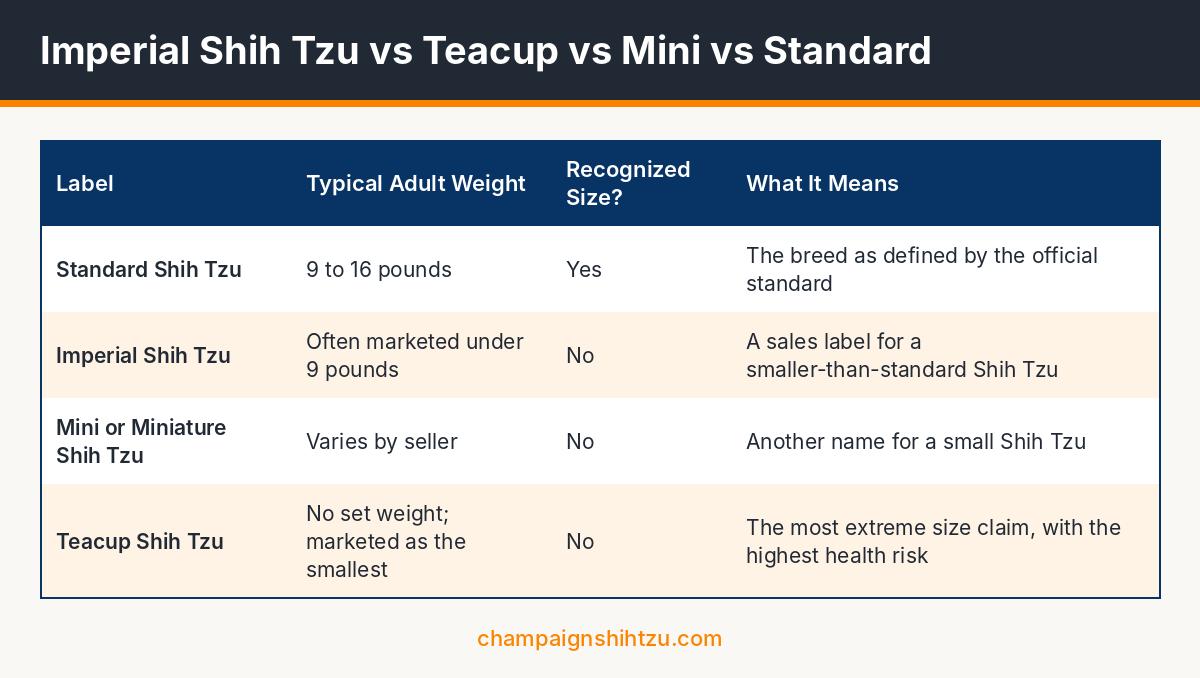
Because the labels are not regulated, two sellers can use the same word for very different dogs. The only number that matters is the expected adult weight, based on the size of the parents. Our Shih Tzu size guide explains how puppies grow and when they reach their full size.
Why Breeding for Tiny Size Causes Problems
 A naturally small puppy from healthy parents is not a concern. Every litter has a range of sizes. The problem starts when a seller pairs the smallest dogs with each other, generation after generation, with size as the main goal.
Veterinarians warn that teacup dogs are bred to be as small as possible, and that this practice raises the risk of serious health conditions. The most common concerns include:
- Low blood sugar, which can come on quickly in very small puppies that skip a meal
- Fluid on the brain (hydrocephalus)
- Liver shunts that affect how the body filters toxins
- Crowded teeth and early dental disease
- A collapsing trachea
- Fragile bones that break from a short fall off the couch
- Kneecaps that slip out of place
That last one, a kneecap that slips out of its groove, is already common in toy breeds and can require surgery in serious cases. Tiny dogs also face more risk with anesthesia, get cold more easily, and can be harder to dose with medication.
The Hidden Cost of Hypoglycemia
Small puppies have very little fat and sugar in reserve. If a tiny puppy goes too long without eating, gets chilled, or gets stressed, its blood sugar can drop. Signs of low blood sugar in dogs include weakness, trembling, disorientation, collapse, and, in severe cases, seizures. This is why feeding small meals on a steady schedule matters so much for toy breeds, as we explain in our Shih Tzu feeding guide.
How Tiny Puppies Are Priced
Sellers often charge more for an “imperial” or teacup puppy, presenting the small size as rare. In our view, that turns the logic upside down. A puppy that is more likely to need extra vet care should never cost more just for being small. Our post on how much Shih Tzu puppies cost breaks down what a fair price actually pays for: health testing, quality food, vet care, and time spent raising each puppy.
Health Testing Matters More Than Size
 Shih Tzus are a healthy, long-lived breed when they are bred with care. The breed’s parent club encourages breeders to screen for inherited conditions such as kidney problems, liver shunts, kneecap issues, hip problems, and eye disease. Results from many of these tests are recorded in a public canine health database, so you can ask a breeder for proof.
When you are comparing puppies, ask these questions:
- How much do the mother and father weigh?
- What health testing have the parents had, and can I see the results?
- At what age do puppies go home? (Eight weeks is the minimum we recommend.)
- What does your health guarantee cover, and for how long?
- Can I see where the puppies are raised?
Our guide on how to find an ethical Shih Tzu breeder walks through more red flags to watch for, and our common Shih Tzu health issues post covers the early warning signs every owner should know.
Want a Smaller Shih Tzu? Here Is the Healthy Way
 If you love the idea of a petite dog, you do not need a special size label to get one. A standard Shih Tzu at the lower end of the 9- to 16-pound range is still a true lap dog, easy to carry, and comfortable in an apartment. The healthiest way to choose a smaller puppy is to:
- Ask the breeder about the parents’ adult weights
- Pick a puppy that is active, eating well, and a healthy weight for its age, not the tiniest in the litter
- Choose a breeder who health tests and offers a written guarantee
Every puppy we raise comes from AKC-registered parents with genetic testing and goes home with a 2-year health guarantee. You can meet our adult dogs on our parents page to see the size range in our program.
A Note From Our Family
Our three boys have helped raise a lot of Shih Tzu litters, and they will tell you that the smallest puppy is not always the one that steals your heart. The one that does is usually the puppy who is healthy, curious, and ready to play. We do not breed an imperial Shih Tzu or teacup line, and we never will. We breed for health and temperament first, and we are honest with families about how big their puppy will likely grow. A health guarantee is only as strong as the people behind it. We stand behind our puppies because we truly care about them.
When you are ready to find your puppy, take a look at our upcoming litters or reach out with any questions about choosing the right size Shih Tzu for your family.
Frequently Asked Questions
Is an imperial Shih Tzu a real breed?
No. An imperial Shih Tzu is a standard Shih Tzu bred to be smaller than average. The official breed standard has only one size.
How big does an imperial Shih Tzu get?
Most are marketed as under 9 pounds as adults, but there is no set definition. The parents’ weights are the best predictor.
Are teacup Shih Tzus healthy?
Dogs bred for extreme small size face higher risks of low blood sugar, fragile bones, dental crowding, and other health problems.
What is the difference between a mini and an imperial Shih Tzu?
None. Both are sales labels for small Shih Tzus, and sellers use them in different ways.
Why do imperial Shih Tzu puppies cost more?
Sellers market tiny size as rare. A higher price does not mean better health, and small dogs often need more vet care.
Can a standard Shih Tzu be a good lap dog?
Yes. At 9 to 16 pounds, a standard Shih Tzu is small, portable, and was bred to be a devoted lap companion.
Champaign Shih Tzu
Travel Information
We provide transportation for our puppies and have had 100% success with puppies traveling all over the United States. Ground Transportation costs are usually around $400 to $600 above the cost of the puppy. Flight Nanny trips cost $900 to $1,400. You can contact us to make arrangements. We personally handle all travel details to guarantee that the puppy is provided with safety and the utmost respect.