Shih Tzu Eye Care: Common Problems and Prevention
Shih Tzu eye care matters more than for most breeds because their large, prominent eyes and shallow eye sockets make them prone to corneal ulcers, dry eye, and irritation, so daily checks, gentle cleaning, and quick attention to redness or squinting go a long way toward protecting your dog’s vision.
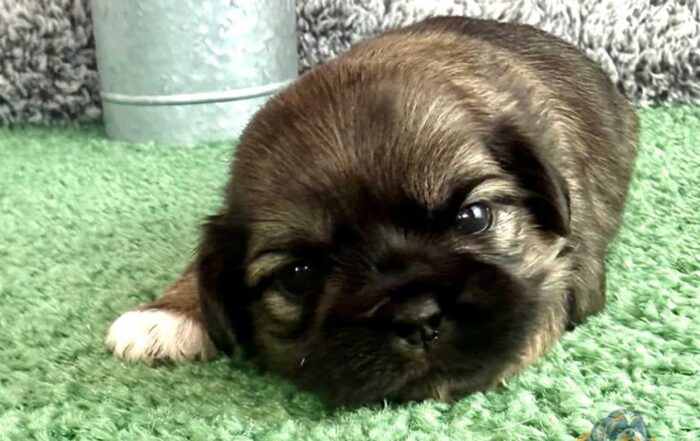
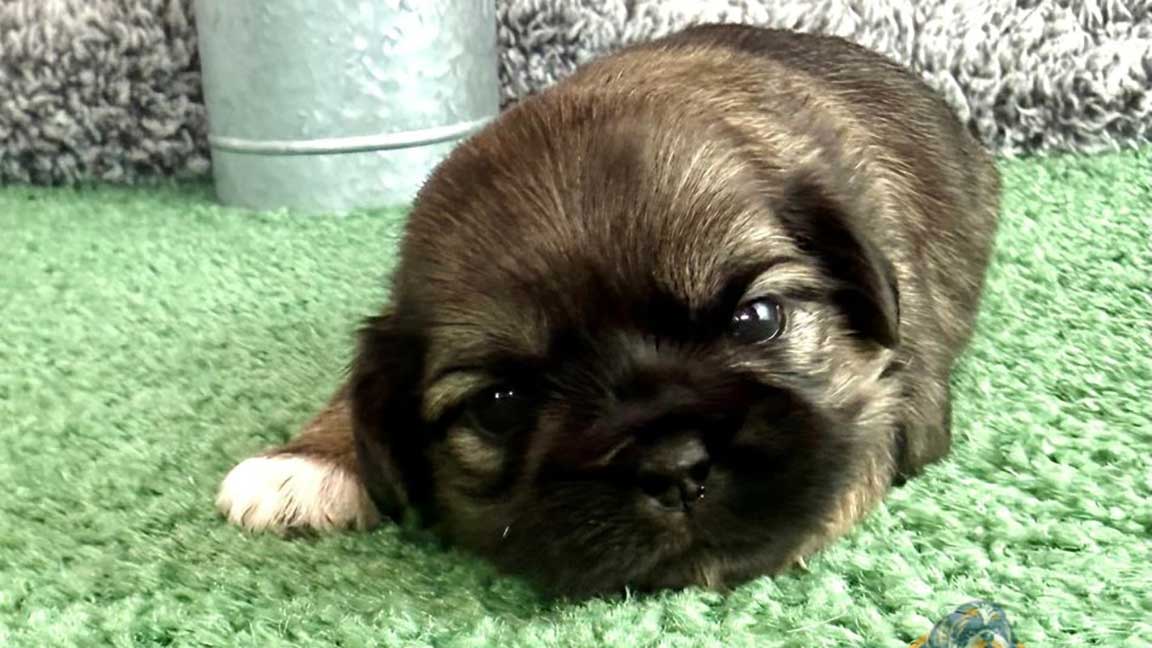
At Champaign Shih Tzu, we spend a lot of time looking our puppies right in the eyes, and not just because they are adorable. Shih Tzu eye care is one of the most important parts of raising this breed, a topic we cover in depth in our complete Shih Tzu breed guide, since those big, dark, expressive eyes that make Shih Tzus so recognizable also make them genuinely more vulnerable to injury and irritation than flatter-faced breeds. Understanding what makes Shih Tzu eye care different, and what to watch for, helps families protect their dog’s vision for years to come.
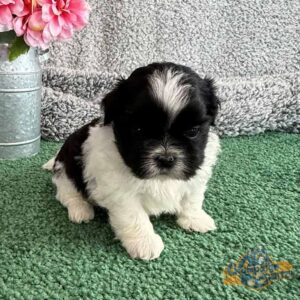
Why Shih Tzu Eye Care Requires Extra Attention
Shih Tzu eye care is more involved than for many breeds because of the way the breed is built. The American Shih Tzu Club explains that Shih Tzus are prone to developing corneal ulcers because their eyes are exophthalmic, meaning they protrude more than average due to their large, round shape and shallow sockets. A peer-reviewed study on brachycephalic breeds and facial conformation, published in PLOS ONE, found that dogs with these prominent eye and skull traits carry a meaningfully higher risk of corneal ulceration than breeds with more typical proportions.
Common Eye Problems in Shih Tzus
Good Shih Tzu eye care means knowing what conditions to watch for specifically in this breed.

Corneal Ulcers
A corneal ulcer occurs when the surface of the eye is scratched or eroded, and VCA Animal Hospitals notes that brachycephalic breeds with prominent eyes are more prone to this painful condition, largely due to reduced blink coverage and greater eye exposure. Left untreated, a corneal ulcer can progress quickly and threaten a dog’s vision.
Dry Eye
Reduced tear production, known medically as keratoconjunctivitis sicca, is another concern tied to Shih Tzu eye care, since insufficient tears leave the cornea more vulnerable to irritation and scratching.
Tear Staining
While not a medical emergency, chronic tear staining is one of the most common things Shih Tzu families notice, and it is often connected to the same anatomical traits, shallow tear ducts and facial hair, that make broader Shih Tzu eye care important. Our post on Shih Tzu tear stains covers this specific issue in much more detail.
Distichiasis and Entropion
Some Shih Tzus develop misdirected eyelashes or eyelids that roll inward, both of which cause ongoing irritation to the cornea and increase the risk of ulceration if not addressed.
Daily Shih Tzu Eye Care Habits
A few consistent habits make a real difference in day-to-day Shih Tzu eye care.

Keep Facial Hair Trimmed
Long hair around the eyes can rub against the cornea and trap debris. Regular trims around the eye area, as part of overall home grooming, reduce this risk significantly.
Wipe Gently Every Day
A soft, damp cloth used daily to wipe away discharge helps prevent buildup and gives you a chance to notice redness or irritation early, a habit we outline in more detail in our puppy care guide.
Watch for Warning Signs
Squinting, redness, cloudiness, excessive tearing, or pawing at the eye are all signals that warrant a same day call to your veterinarian rather than a wait-and-see approach. The American Kennel Club’s overview of dog eye infections echoes this urgency, and the Merck Veterinary Manual notes that corneal ulcers are painful and can worsen quickly, so prompt treatment matters.
Protect the Eyes During Play
Rough play, running through brush, or exposure to dust and debris all pose more risk to a Shih Tzu’s prominent eyes than to a breed with deeper-set eyes, so a little extra supervision during active play is worth it.
When to See the Vet
Most minor irritation resolves with gentle at-home care, but PetMD’s breed health guide lists eye problems among the health concerns families should specifically watch for in this breed. Any sign of pain, cloudiness, or an eye that stays partially closed should be seen by a veterinarian promptly, since Shih Tzu eye care problems tend to escalate faster than they would in less predisposed breeds. This is exactly the kind of proactive attention that our health guarantee reflects.
A Note From Our Family
We check eyes every single day here at Champaign Shih Tzu, and it has become such a natural part of handling our puppies that our kids do it without even thinking about it. Shih Tzu eye care starts the moment a puppy opens its eyes for the first time, and we make sure every family that brings home one of our puppies from our nursery knows exactly what to watch for and how to build that same daily habit. It is not just about what you take home. It is about how your puppy has been prepared for life with you. If you have more questions, our FAQ page covers many of the topics families ask about most.
Frequently Asked Questions
How often should I clean my Shih Tzu’s eyes?
Most Shih Tzus benefit from a gentle daily wipe to remove discharge and debris, though dogs prone to tear staining may need it more often.
What does a corneal ulcer look like in a Shih Tzu?
Signs include squinting, redness, cloudiness on the surface of the eye, excessive tearing, and pawing at the affected eye, all of which warrant a prompt vet visit.
Can I use human eye drops on my Shih Tzu?
No, always use products specifically formulated and approved for dogs, since human eye products can irritate or harm a dog’s eyes.
Why do Shih Tzus get tear stains so easily?
Shallow tear ducts, facial hair near the eyes, and the breed’s shortened muzzle all contribute to tear staining being especially common in Shih Tzus.
Is trimming eye hair something I can do myself?
Light trimming around the eyes can be done at home with blunt-tipped scissors and a very steady hand, though many families prefer leaving it to a professional groomer to avoid any risk of injury.
Champaign Shih Tzu
Travel Information
We provide transportation for our puppies and have had 100% success with puppies traveling all over the United States. Ground Transportation costs are usually around $400 to $600 above the cost of the puppy. Flight Nanny trips cost $900 to $1,400. You can contact us to make arrangements. We personally handle all travel details to guarantee that the puppy is provided with safety and the utmost respect.